
Serving Guadalupe County and Surrounding Areas

The Texas Homeowner’s Guide to Emergency Main Shut-off Valves

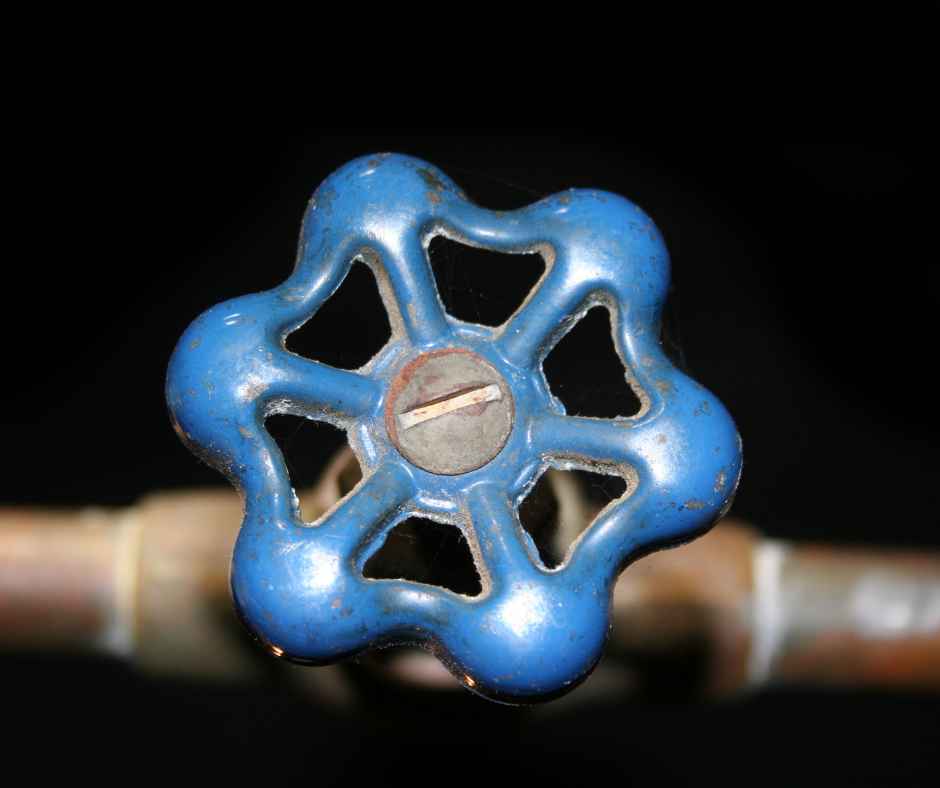
An emergency main shut-off valve stops water from flowing into your home. Texas homeowners should know where this valve is located, how to turn it off, and when to use it in the event of burst pipes, major leaks, frozen pipe damage, overflowing fixtures, or plumbing emergencies.
A plumbing emergency can happen fast. A burst pipe, overflowing toilet, broken water heater, or major leak under a sink can send water across floors, into walls, and through ceilings before you have time to react. In those first few minutes, knowing how to shut off your home’s water can make the difference between a manageable repair and expensive water damage.
For Texas homeowners, main shut-off valves are especially important because homes can face sudden weather changes, hard freezes, slab leaks, aging plumbing, and high water pressure. When something goes wrong, you do not want to be searching for the valve while water is still flowing.
In this guide, we’ll explain what a main shut-off valve does, where Texas homeowners can usually find it, how to turn it off safely, when to use it, and when to call ME Plumbing for emergency plumbing service.
Where Is the Main Water Shut-Off Valve in a Texas Home?
The main water shut-off valve is usually located where the water line enters the home. Its exact location depends on the age of the house, the plumbing layout, and whether the home is built on a slab, crawl space, or pier-and-beam foundation.
Common locations include:
- Near the front of the house
- Along an exterior wall
- In the garage
- Inside a utility closet
- Near the water heater
- In a laundry room
- Under a kitchen or bathroom sink
- Inside a basement or crawl space, if the home has one
- Near the water meter box by the street or sidewalk
In many Texas homes, especially slab-foundation homes, the valve may be outside near the water meter or along the front wall of the house. Some homes have both a homeowner-accessible shut-off valve and a separate water meter valve near the curb.
Every homeowner should locate the shut-off valve before a plumbing emergency happens. Once you find it, make sure everyone in the household knows where it is.
How Do You Turn Off the Main Water Valve?
The way you turn off the water depends on the type of valve your home has. Most main shut-off valves are either round gate valves or straight-handled ball valves.
For a round valve handle:
- Turn the handle clockwise.
- Keep turning until it stops.
- Do not force it if it is stuck.
- Check a faucet to confirm the water has stopped.
For a lever-style valve:
- Turn the handle a quarter turn.
- The handle should be perpendicular to the pipe when off.
- Open a faucet to release pressure.
- Confirm water flow has stopped.
If the valve is old, corroded, or difficult to move, do not use excessive force. A stuck valve can break and cause a more serious emergency. If the valve does not turn easily, schedule plumbing service to repair or replace it before you need it.
When Should You Use the Emergency Main Shut-Off Valve?
You should turn off the main water valve anytime uncontrolled water is entering your home or a plumbing issue cannot be stopped at a fixture-level valve.
Use the main shut-off valve during:
- Burst pipes
- Slab leak emergencies
- Major water heater leaks
- Broken supply lines
- Overflowing fixtures that will not stop
- Severe under-sink leaks
- Washing machine hose failures
- Outdoor spigot breaks
- Frozen pipe damage
- Water pouring through a ceiling
- Unknown leaks when you cannot find the source
The goal is to stop water damage quickly. Once the main valve is off, you can call a plumber, clean up standing water, and prevent the problem from getting worse.
What Is the Difference Between a Main Shut-Off Valve and a Fixture Shut-Off Valve?
A main shut-off valve stops water to the entire home. A fixture shut-off valve stops water to one specific plumbing fixture.
Fixture shut-off valves are usually found near:
- Toilets
- Bathroom sinks
- Kitchen sinks
- Washing machines
- Water heaters
- Refrigerators with water lines
- Dishwashers
If the problem is limited to one fixture, you may only need to turn off that fixture’s valve. For example, if a toilet is overflowing because the fill valve is stuck, the small valve behind the toilet may stop the water.
Use the main shut-off valve when:
- You cannot locate the fixture valve.
- The fixture valve does not work.
- Water is leaking behind a wall.
- The leak is under the slab.
- Multiple areas are affected.
- Water is coming from an unknown source.
- The leak is too large to control locally.
Knowing the difference helps you respond faster and avoid shutting off the whole house when a smaller valve will solve the immediate problem.
Why Should Texas Homeowners Know Their Shut-Off Valve Location?
Texas homes can experience plumbing emergencies caused by weather, soil movement, aging pipes, high water pressure, and everyday wear. When a pipe breaks, water can spread quickly through flooring, cabinets, drywall, insulation, and structural materials.
Knowing your shut-off valve location helps you:
- Reduce water damage
- Protect flooring and walls
- Prevent ceiling damage
- Limit mold risk
- Save time during an emergency
- Give clearer information to your plumber
- Protect appliances and fixtures
- Keep a leak from becoming a flood
This is especially important during Texas freezes. If a pipe bursts after temperatures drop, shutting off the water quickly can limit the damage while you wait for emergency plumbing repair.
How Can You Tell If Your Main Shut-Off Valve Is Working?
A main shut-off valve should turn smoothly and fully stop water flow to the home. If it does not, it may need repair or replacement.
To test your valve:
- Choose a time when the household can be without water for a brief period.
- Turn on a faucet inside the home.
- Turn the main shut-off valve to the off position.
- Watch whether the water slows and stops.
- Turn the valve back on slowly.
- Check for leaks around the valve.
Signs your valve may not be working properly include:
- The handle is stuck.
- The valve only turns partway.
- Water keeps flowing after shut-off.
- The valve leaks when touched.
- The handle is rusted or broken.
- The valve is buried, hidden, or hard to reach.
- The valve looks corroded.
- You are not sure which valve controls the home.
If your main shut-off valve does not work, it should be addressed before an emergency. A shut-off valve that fails during a burst pipe can leave your home vulnerable to serious water damage.
What Tools Should Homeowners Keep for Water Shut-Off Emergencies?
Some shut-off valves can be turned by hand. Others, especially meter box valves, may require a tool.
Helpful emergency items include:
- Water meter key
- Adjustable wrench
- Flashlight
- Work gloves
- Towels
- Bucket
- Wet/dry vacuum
- Plumber’s tape for temporary minor issues
- Phone number for an emergency plumber
Keep these items in a place that’s easy to access. During a plumbing emergency, you do not want to search through a garage, shed, or closet while water is spreading.
If your only working shut-off is at the meter, ask a plumber whether a more accessible homeowner shut-off valve can be installed near the house.
Should You Shut Off the Water Before Leaving Town?
In many cases, yes. If you are leaving home for several days, shutting off the main water valve can help prevent unexpected leaks.
Consider shutting off the water before:
- Vacation
- Business travel
- Holiday trips
- Extended weekends away
- Leaving a vacant home
- Freezing weather when no one will be home
Before shutting off the water for an extended time, consider whether appliances, irrigation systems, water softeners, or other systems need water while you are gone. If you are unsure, ask a plumber what makes sense for your home.
For added protection, homeowners can also consider leak-detection devices or automatic shut-off systems.
What Should You Do After Turning Off the Main Water Valve?
Once the water is off, the next step is to minimize further damage and seek professional help.
After shutting off the main valve:
- Open a faucet to relieve water pressure.
- Turn off electricity to affected areas if water is near outlets or wiring.
- Move belongings away from standing water.
- Use towels or a wet/dry vacuum if safe.
- Avoid using plumbing fixtures until the problem is inspected.
- Take photos of damage if needed.
- Call a plumber for emergency repair.
If water is leaking near electrical panels, outlets, or appliances, avoid the area and call a professional. Water and electricity can create serious safety risks.
Can a Main Shut-Off Valve Be Replaced or Upgraded?
Yes. If your main shut-off valve is old, hard to reach, corroded, leaking, or unreliable, it can often be replaced or upgraded. Many homeowners choose to replace older gate valves with newer ball valves because they are easier to operate and quicker to shut off.
A shut-off valve upgrade may be a good idea if:
- The valve is difficult to turn.
- The handle is rusted.
- The valve leaks.
- The valve does not fully stop water.
- The shut-off is hidden or inconvenient.
- You recently bought the home.
- The home has older plumbing.
- You want better emergency protection.
A plumber can also help label your shut-off valve, check the water meter area, and explain how your home’s system is set up.
How Can Homeowners Prepare for a Plumbing Emergency?
The best time to prepare for a plumbing emergency is before one happens. A few simple steps can help you respond quickly and confidently.
Homeowners should:
- Find the main shut-off valve.
- Test the valve periodically.
- Make sure adults in the home know how to use it.
- Keep shut-off tools nearby.
- Label the valve clearly.
- Know where fixture shut-off valves are located.
- Watch for signs of leaks.
- Schedule service if the valve is stuck or leaking.
- Save ME Plumbing’s number for emergency help.
It is also smart to inspect visible plumbing after major temperature swings, severe storms, or freezing weather. Catching a small leak early can prevent a larger repair later.
Know Your Main Shut-Off Valve Before an Emergency Happens
Every Texas homeowner should know where the emergency main shut-off valve is and how to use it. When a pipe bursts, a water heater leaks, or water starts spreading through your home, turning off the main valve quickly can help protect your floors, walls, belongings, and budget.
If your shut-off valve is hard to find, difficult to turn, leaking, or not working properly, ME Plumbing can help. Schedule service today to inspect, repair, replace, or upgrade your main shut-off valve to better protect your home before the next plumbing emergency.
Book Your Service Today
We’re Nuts about your plumbing!
Trust the pros at ME Plumbing for all your plumbing needs. Schedule service and find out for yourself why we’re Seguin’s trusted plumbers.
