
Serving Guadalupe County and Surrounding Areas

Drain Health in Central Texas: How Shifting Local Soil Impacts Your Home’s Pipes

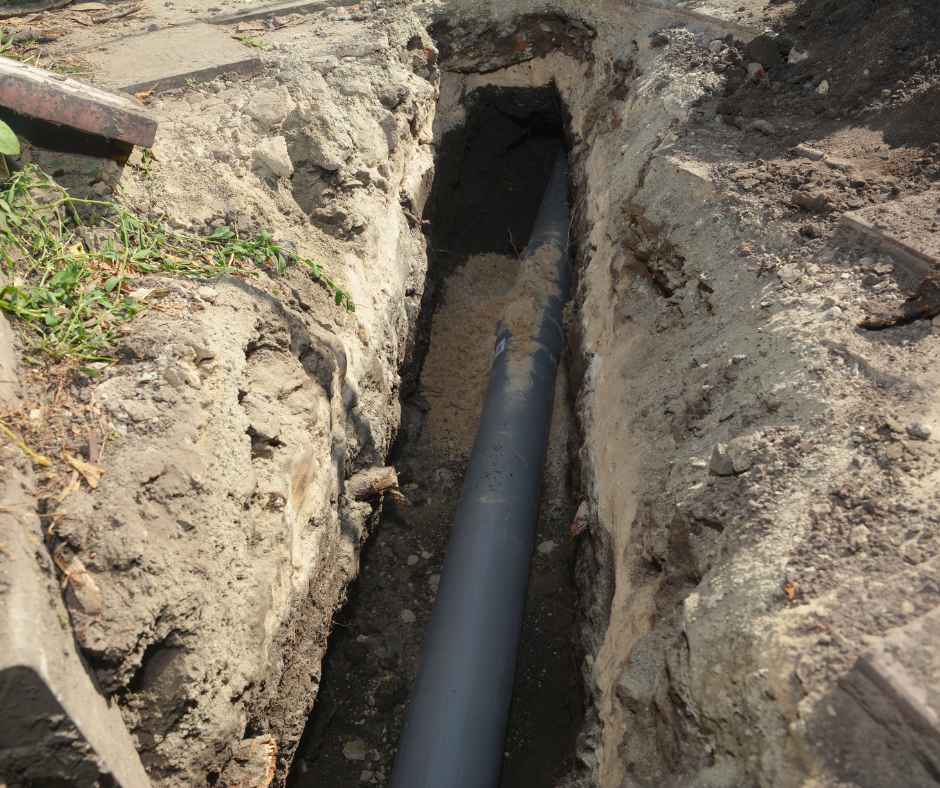
Central Texas is known for its beautiful landscapes and vibrant communities, but beneath the surface lies a geological challenge that every homeowner should understand. The region is predominantly composed of expansive clay soil, often called Blackland Prairie or “black gumbo” clay. This specific type of earth behaves very differently from the sandy or loamy soils found in other parts of the country. For residents in cities like Austin and the surrounding Hill Country, the ground is not a static foundation but a moving force that can significantly influence the health of your residential plumbing.
At ME Plumbing, we see firsthand how the shifting earth impacts local infrastructure. Your home’s drain lines are buried deep in this active soil, making them vulnerable to the intense pressure from seasonal changes. When the ground moves, it takes your pipes along with it. Without proper care and awareness, this natural process can lead to structural damage that is both difficult to detect and expensive to repair. Understanding the relationship between Central Texas geology and your plumbing is the first step toward protecting your home from the hidden risks of the underground environment.
The Science of Expansive Clay: Shrink-Swell Cycles
To understand why your drains are at risk, you have to look at the soil’s chemistry. The expansive clay common in Central Texas acts like a giant sponge. During our heavy spring rains or intense thunderstorms, the clay minerals absorb water and physically expand. Conversely, during the blistering heat of a Texas summer, the moisture evaporates, and the soil undergoes a dramatic contraction. This constant back-and-forth is known as the shrink-swell cycle.
The physical force exerted during these cycles is staggering. As the soil expands, it can exert thousands of pounds per square foot of pressure on anything buried within it. When the soil dries out and shrinks, it pulls away from the pipes, often leaving them unsupported or suspended in air pockets.
This movement impacts your plumbing in several specific ways:
- Shearing Forces: When one section of soil moves faster than another, it can snap a rigid pipe like a twig.
- Joint Separation: The pulling action of soil shrinkage can cause pipe segments to slide apart at couplings.
- Bellies and Sagging: Shifting earth can cause a section of the drain line to sink, creating a low spot where waste and debris collect.
- Slope Reversal: In extreme cases, the ground can shift so much that the pipe no longer tilts downward toward the sewer main, causing persistent backups.
Because these changes happen slowly over months and years, the damage is often cumulative. A pipe might withstand a single dry season, but after a decade of these intense cycles, the material reaches a breaking point.
Warning Signs of Soil-Related Drain Damage
Because your drain lines are hidden underground or beneath your home’s concrete slab, soil-related damage often remains invisible until it becomes a major emergency. However, the system will usually provide subtle clues that the shifting earth is taking a toll. Homeowners in Central Texas should stay alert for symptoms that indicate a pipe has been bent, cracked, or disconnected by the relentless movement of the clay.
Key warning signs to watch for include:
- Recurring Clogs in Multiple Drains: If only one sink is slow, it is likely an isolated clog. However, if your toilets, showers, and kitchen sink are all backing up simultaneously, the issue is likely a “belly” or a break in the main sewer line caused by shifting soil.
- Gurgling Noises: When a drain line sags or cracks, air becomes trapped in the system. You may hear a bubbling or gurgling sound coming from your toilet or sink after water has finished draining.
- Sewage Odors Indoors or Outdoors: A healthy plumbing system should be airtight. If you smell sewer gas in your laundry room or near the exterior of your home, it often means a pipe has separated at a joint due to soil contraction.
- Unusually Lush Patches of Grass: If one area of your yard is suddenly greener or growing faster than the rest, it could be receiving “fertilizer” from a leaking underground sewer pipe.
- Cracks in Walls or Flooring: While foundation cracks are often blamed on the soil itself, they can also be caused by a leaking pipe that is saturating the ground under your home. This excess moisture makes the soil move even more, creating a destructive cycle.
- Indentations in the Lawn: If the soil above your sewer line dips or sinks, it may indicate a broken pipe washing away the surrounding earth, leading to a localized sinkhole.
Ignoring these early indicators can lead to a complete system failure. If you notice any of these signs, it is critical to have a professional plumber perform a video camera inspection to see exactly what is happening beneath the surface.
The Destructive Cycle: How Leaks Worsen Soil Movement
In Central Texas, a leaking pipe and shifting soil create a dangerous feedback loop. While the soil movement often causes the initial crack or separation in a drain line, the escaping water quickly makes the situation much worse. When a sewer line leaks, it introduces a constant source of moisture into a concentrated area of expansive clay. This causes the soil in that specific spot to swell significantly more than the surrounding earth.
This localized swelling creates uneven pressure on your home’s foundation and the rest of your plumbing system. As one section of the ground pushes upward while the rest remains stable, it puts even more stress on the remaining intact pipes. This often leads to a “zipper effect,” where one leak triggers a series of subsequent breaks along the line.
Furthermore, a persistent leak can lead to soil erosion. As water flows out of the pipe, it can slowly wash away the clay that supports your plumbing. This creates voids or empty pockets beneath your home. Without the support of the earth, the weight of the house or the slab pressure can crush the hollowed-out sections of the pipe. Breaking this cycle requires a professional intervention that not only repairs the pipe but also addresses the moisture balance in the surrounding soil.
Preventative Measures: Protecting Your Drains from the Ground Up
While you cannot change the geology of Central Texas, you can take strategic steps to minimize the impact of soil movement on your plumbing. The goal is to maintain a consistent moisture level in the clay around your foundation and pipes. Large swings between saturated and bone-dry soil are what cause the most damage. By managing the environment around your home, you can significantly extend the life of your drain lines.
Effective preventative strategies include:
- Consistent Watering: Using soaker hoses around your foundation during the dry summer months helps keep the clay from shrinking and pulling away from your pipes. This prevents the voids that lead to sagging and joint separation.
- Strategic Landscaping: Avoid planting large, water-hungry trees directly over your sewer lines. Tree roots are naturally drawn to the moisture inside pipes, and they can easily penetrate a joint that has been slightly loosened by shifting soil.
- Proper Drainage Diversion: Ensure that gutters and downspouts direct rainwater at least five to ten feet away from your home. This prevents the soil near your main drain exit from becoming oversaturated and exerting excessive upward pressure.
- Material Upgrades: If you live in an older home with cast-iron pipes, consider proactively transitioning to Schedule 40 PVC. Plastic piping is generally more flexible than older materials and can withstand slight soil shifts without cracking.
- Root Barriers: Installing physical barriers can prevent aggressive root systems from encroaching on your plumbing’s “safety zone,” reducing the risk of a secondary failure after soil movement.
These measures are about stabilization. When the ground remains at a relatively steady moisture level, the “heave” and “settle” of the earth are less dramatic, which protects the structural integrity of your underground infrastructure.
The Value of Professional Camera Inspections
Since you cannot see through several feet of Central Texas clay, a professional video camera inspection is the most powerful tool in your maintenance arsenal. At ME Plumbing, we use specialized, waterproof cameras attached to flexible cables to travel through your entire drain system. This allows us to see the internal condition of your pipes in real time without digging up your yard or tearing into your foundation.
During an inspection, we look for specific signs of soil-related stress:
- Pipe Offsets: This occurs when soil movement pushes one section of pipe higher or lower than the next, creating a “step” that traps debris.
- Bellies: We can identify low spots where water is standing in the pipe, which indicates the ground has settled or shifted beneath the line.
- Hairline Fractures: We can spot small cracks before they turn into major leaks that saturate your soil and damage your foundation.
- Root Intrusion: We check for tiny roots entering through joints loosened by the shrink-swell cycle.
A camera inspection provides a clear “map” of your plumbing health. Instead of guessing where a problem might be, we can pinpoint the exact location and severity of the issue. For homeowners in the Hill Country and Austin areas, having this inspection performed every few years is a small investment that can prevent a catastrophic sewer backup or a massive foundation repair bill.
Investing in Long-Term Stability
Living in Central Texas means accepting that the ground beneath your home is constantly in motion. While the beauty of the Hill Country is worth the challenge, the expansive clay soil requires a specific approach to plumbing maintenance. By staying vigilant for warning signs and understanding the unique stresses on your drain lines, you can avoid the most common pitfalls of our local geography.
At ME Plumbing, we are dedicated to helping our neighbors navigate the complexities of Texas soil. Whether you need a routine camera inspection or a complex sewer line repair, our team has the expertise to protect your home’s infrastructure.
Do not wait for a small shift to become a major disaster. Contact us today to schedule a comprehensive evaluation of your drain health and ensure your plumbing remains stable for years to come.
Frequently Asked Questions
What is the worst time of year for soil-related plumbing issues?
The most dangerous periods are the transitions between seasons. The move from a very wet spring to a bone-dry summer causes the most dramatic soil movement. These rapid shrink-swell cycles place the greatest physical stress on your underground pipes.
Are newer homes at risk for soil-related drain damage?
Yes, even brand-new homes are vulnerable. While newer PVC pipes are more flexible than older cast iron pipes, the immense pressure of shifting clay can still cause joints to fail or pipes to “belly.” It is important to monitor drainage regardless of your home’s age.
What exactly is Black Gumbo clay?
This is a local nickname for the heavy, dark, and highly expansive clay found throughout Central Texas. It has a high mineral content, allowing it to absorb large amounts of water. This results in the dramatic expansion and contraction that damages foundations and plumbing.
Can I fix a soil-shifted pipe myself?
Fixing a pipe shifted by soil requires specialized excavation and alignment tools. Because soil pressure must be managed during the repair, it is best left to professionals. Attempting a DIY fix can lead to further damage or a failed inspection.
How often should I get a camera inspection in Central Texas?
We recommend a professional video inspection every two to three years for most local homes. If you live in an area with particularly active soil or have large trees on your property, an annual check is the best way to catch issues before they require major repairs.
Book Your Service Today
We’re Nuts about your plumbing!
Trust the pros at ME Plumbing for all your plumbing needs. Schedule service and find out for yourself why we’re Seguin’s trusted plumbers.
