
Serving Guadalupe County and Surrounding Areas

Hard Water vs. Your Plumbing: Why Guadalupe County Residents Need a Protective Strategy

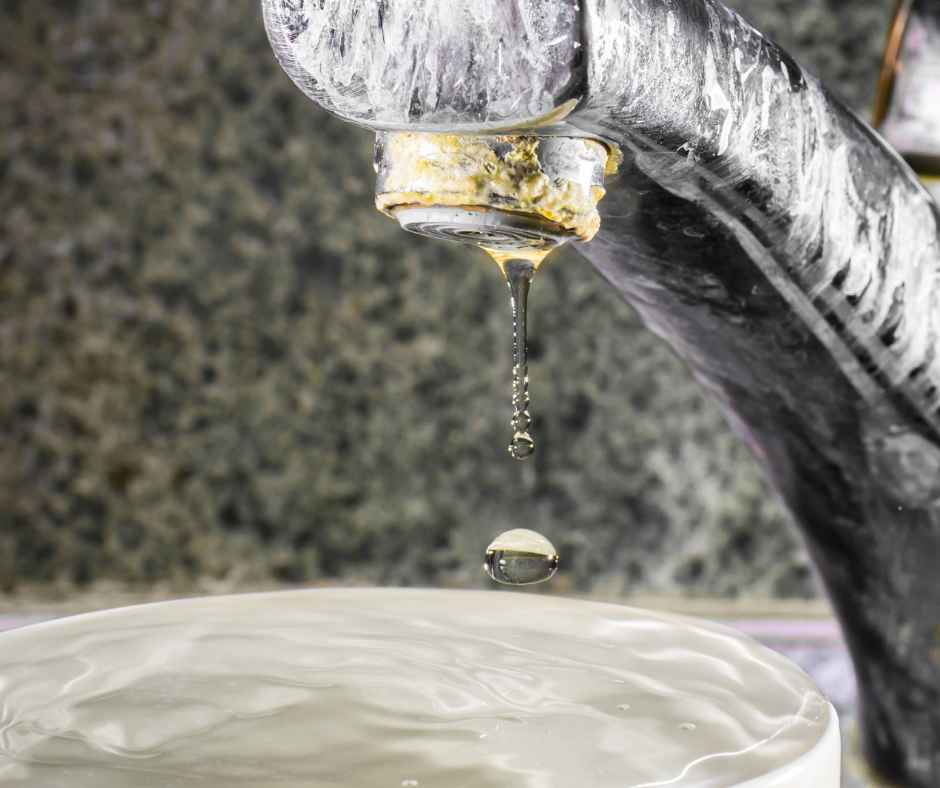
If you live around here, you know that the water in our area is a bit of a double-edged sword. It tastes fine enough, but it leaves a white, crusty film on nearly everything it touches. Whether you are right in the heart of Seguin or living out toward the edges of New Braunfels, dealing with hard water in Guadalupe County is just part of the local lifestyle. You see the evidence every morning on your showerheads, your glass shower doors, and even the bottom of your coffee pot. Most homeowners think of these spots as a simple nuisance, but they are actually a quiet and persistent threat to the infrastructure of your home.
Hard water isn’t just about spots on your dishes; it’s about the calcium and magnesium buildup that is currently narrowing the inside of your pipes and taxing your water heater. As a local Seguin plumber, we have seen firsthand how quickly these minerals can turn a minor annoyance into a major repiping project. We want to help you build a protective strategy that keeps your water flowing smoothly and your repair bills low for years to come. In this guide, we will break down why our local water is so aggressive and what you can actually do to keep it from eating away at your investment.
The Science of the Scum: Why Our Local Water is So Tough
Living in Central Texas means we are sitting on top of some incredible natural water sources, but those sources are loaded with limestone. Most of the water in our region travels through underground formations like the Edwards Aquifer before it reaches your home. As that water moves through the earth, it picks up high levels of calcium and magnesium. By the time it hits your faucet, it is technically “hard,” which just means it has a high mineral count per gallon. While these minerals are perfectly safe to drink, they are a nightmare for any Guadalupe County plumber who has to clear out a clogged valve or a seized water line.
Understanding how these minerals interact with your home helps you see the true scale of the problem:
- Calcium deposits act like a slow-moving clog that narrows the diameter of your pipes over time.
- Magnesium reacting with soap creates a sticky curd that makes it harder to get your skin and clothes actually clean.
- Mineral buildup on heating elements forces your appliances to work much harder and use significantly more energy.
- Limescale around the base of your sink fixtures can eventually eat through the finish and cause permanent cosmetic damage.
The real danger here is that you cannot see the worst of the damage. Those white spots on your glassware are just the tip of the iceberg. Inside your walls and behind your cabinets, that mineral scale is slowly hardening into a rock-like substance that is nearly impossible to remove without replacing the parts. This is why local residents need more than just a good cleaning spray; you need a way to stop those minerals before they ever get a chance to settle into your plumbing system.
Protective Strategies: Softeners vs. Filtration
Many homeowners around here feel like they are fighting a losing battle against the scale, but you actually have some very effective options. The most common solution for a Seguin plumber to install is a traditional salt-based water softener. These systems work by swapping out the calcium and magnesium for tiny amounts of sodium, which prevents the minerals from sticking to your pipes. If you’ve ever noticed how much easier it is to get a lather in the shower with soft water, you’re feeling the system working. It keeps your hair softer, your dishes clearer, and your plumbing much healthier.
If you aren’t a fan of the “slippery” feel of softened water, there are other ways to handle the situation:
- Template Assisted Crystallization (TAC): These systems don’t remove the minerals, but they change their shape so they can’t stick to your pipes or heating elements.
- Whole-Home Carbon Filtration: This is great for improving the taste and removing chlorine, though it usually needs to be paired with a softener to handle the local hardness levels.
- Reverse Osmosis Systems: These are perfect for the kitchen sink, providing bottled-water quality for drinking and cooking while leaving the rest of the home’s water for utility use.
- Electronic Descalers: These use a magnetic field to keep minerals in suspension, providing a low-maintenance way to protect your appliances without adding chemicals.
Choosing the right path depends on your budget and how much of that “crust” you are willing to tolerate. For most people dealing with hard water in Guadalupe County, a hybrid approach is the winner.
Taking Control of Your Home’s Health
Dealing with the mineral levels in our area is a constant job, but it doesn’t have to be a losing battle. By understanding how Guadalupe County hard water behaves, you can make smarter choices about how you protect your pipes and appliances. Ignoring the problem only leads to higher utility bills and the eventual need for a major repipe. Whether you choose a full softening system or a targeted filtration strategy, the goal is to prevent scale before it stops your plumbing.
At ME Plumbing, we live and work in the same conditions you do, and we know exactly what it takes to keep a local home running right. You deserve water that works for you, not against you. We are ready to help you find a solution that fits your home and your budget. Contact us today to schedule an inspection and take the first step toward a scale-free home.
FAQ: Frequently Asked Questions
Is it safe to drink the hard water in Seguin?
Yes, the water is perfectly safe to consume from a health standpoint. The minerals like calcium and magnesium are actually nutrients your body needs, but your plumbing fixtures definitely do not feel the same way. Most people choose to filter or soften their water purely for the sake of their appliances and the taste.
How long does a water softener typically last around here?
In our region, a high-quality water softener usually lasts between ten and fifteen years if you keep up with the salt levels and basic maintenance. Because our water is so aggressive, a Guadalupe County plumber might recommend a more frequent checkup to ensure the resin bed isn’t getting fouled by local sediment.
Will a water softener fix the low pressure in my shower?
If your low pressure is caused by mineral buildup inside the showerhead or the pipes, a softener will stop the problem from getting worse, but it won’t necessarily clear out the existing rock. You might need a Seguin plumber to replace the affected fixtures or perform a professional flush to get your pressure back to normal.
Do I have to use salt to get rid of hard water spots?
Traditional salt-based softeners are the most effective at physically removing the minerals that cause spots. While there are salt-free “conditioners” available, they mostly focus on protecting the inside of your pipes rather than giving you that spot-free shine on your glass shower doors.
How much does a whole-home water treatment system cost?
The price varies quite a bit based on the size of your home and the specific technology you choose. However, when you consider the cost of replacing a water heater or a dishwasher every few years, a professional system usually pays for itself in a very short amount of time.
Book Your Service Today
We’re Nuts about your plumbing!
Trust the pros at ME Plumbing for all your plumbing needs. Schedule service and find out for yourself why we’re Seguin’s trusted plumbers.
