
Serving Guadalupe County and Surrounding Areas

Signs Your Water Heater is Failing and When to Replace vs. Repair

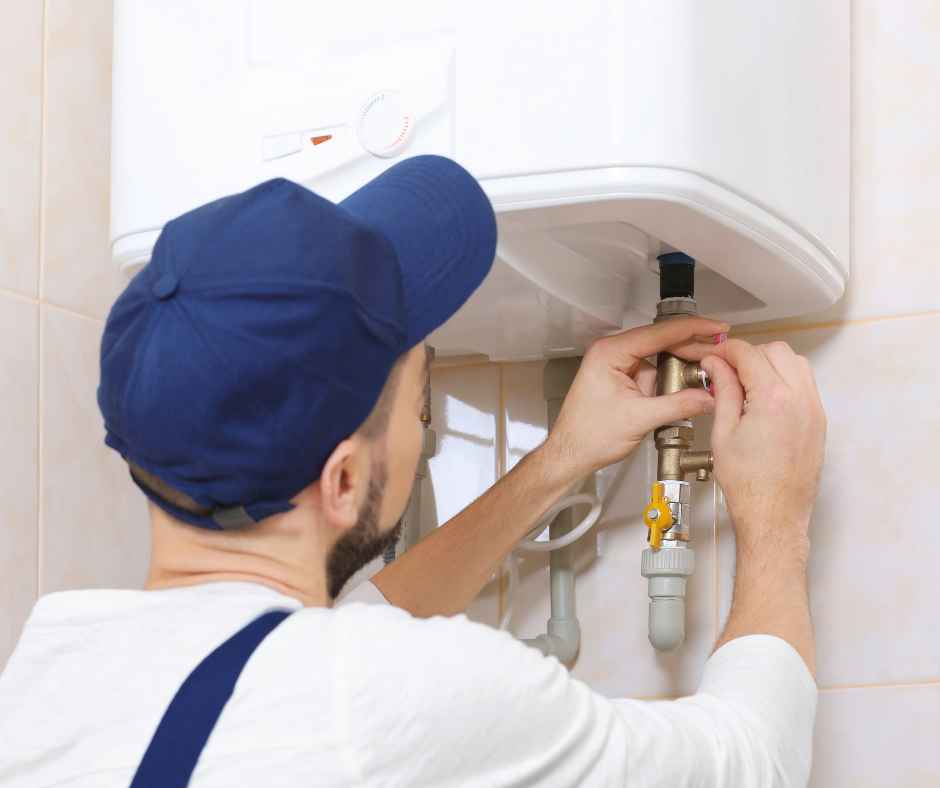
Your water heater plays a major role in daily comfort, from showers to laundry to simple household cleaning. When it starts to struggle, even small changes in performance can interrupt routines and signal that something is wrong. Many homeowners overlook early warning signs or assume the unit will recover on its own, but delaying attention often leads to bigger problems, higher energy bills, and unexpected breakdowns.
Understanding the symptoms of a failing water heater can help you decide whether a simple repair will solve the issue or if replacing the unit is a smarter choice. In this blog, you will learn the most common signs of water heater failure and how to determine when repair or replacement is the better option for your home.
Common Signs Your Water Heater Is Failing
Water heaters rarely fail without warning. Most begin showing small, noticeable symptoms long before they stop producing hot water altogether. Paying attention to these early signs can help prevent sudden breakdowns, water damage, and unnecessary expenses. Many of these issues start subtly, but they gradually worsen as internal components wear down.
Homeowners often notice common warning signs such as:
- Inconsistent or reduced hot water output
- Water that looks rusty or discolored
- Strange noises like popping, rumbling, or banging
- Small leaks around the base of the tank
- Fluctuating water temperatures during showers
- Foul-smelling hot water due to bacteria buildup
If these symptoms continue, they typically indicate internal wear, sediment buildup, corrosion, or failing components. Addressing the problem early can prevent further damage and help you decide whether a repair will fix the issue or if replacement is the safer and more cost-effective solution.
How Age Impacts Water Heater Performance
The age of your water heater is one of the biggest factors in determining whether it should be repaired or replaced. Most traditional tank-style water heaters last 8 to 12 years, while tankless units can operate efficiently for 15 to 20 years when properly maintained. As these systems age, internal components wear out, efficiency drops, and the risk of leaks or corrosion increases.
Older units struggle to keep up with daily household demands because sediment buildup, weakened heating elements, and metal fatigue become more common over time. An aging water heater also takes longer to produce hot water, which increases energy use and leads to higher utility bills. If your unit is approaching or past its expected lifespan, recurring issues are often a sign that replacement will be more cost-effective than continued repairs.
Knowing your system’s age can help you make the right decision when symptoms appear. In many cases, replacing an older unit can improve performance, reduce energy costs, and help avoid unexpected failures.
Sediment Buildup and Efficiency Loss
Sediment buildup is one of the most common causes of declining water heater performance. Over time, minerals from the water supply settle at the bottom of the tank and form a thick layer of sediment. As this layer grows, it creates a barrier between the burner or heating element and the water, forcing the system to work harder to heat the tank.
This added strain reduces efficiency and increases the amount of energy required to produce hot water. Homeowners may notice the water taking longer to heat, running out more quickly, or fluctuating in temperature. Sediment buildup also leads to overheating inside the tank, which can cause damage to internal components and shorten the overall lifespan of the unit.
Signs that sediment is affecting your water heater include:
- Popping or rumbling noises from the tank
- Longer heating times
- Reduced hot water capacity
- Cloudy or slightly gritty water
- Higher energy bills despite normal usage
Flushing the tank can help in some cases, but if sediment has been accumulating for years, repairs may only offer temporary relief. In these situations, replacement may provide better efficiency and long-term reliability.
Leaks, Corrosion, and Structural Damage
Leaks and corrosion are among the most serious warning signs that a water heater is reaching the end of its lifespan. While small drips may seem harmless at first, they usually indicate internal deterioration that cannot be reversed. Water heaters are made of metal, and once corrosion penetrates the tank lining, the structural integrity begins to weaken. At that point, repairing the tank is no longer a safe or practical option.
Corrosion often begins inside the tank long before it becomes visible. As the anode rod wears out, the tank becomes more vulnerable to rust and mineral damage. Once corrosion reaches the outer surface or results in water pooling around the base, replacement is typically the only reliable solution. Delaying action can lead to more severe leaks, water damage, and even tank failure.
Common signs of leak or corrosion-related failure include:
- Water pooling around the base of the tank
- Rust-colored water from hot taps
- Visible rust on valves, fittings, or the tank exterior
- Moisture or dampness under the tank platform
- A metallic smell or taste in the hot water
Some issues, such as a loose valve or a leaking connection, can be repaired. However, when the tank itself is compromised, replacing the water heater is the safest and most cost-effective choice.
Rising Energy Bills from a Struggling Water Heater
A failing water heater often becomes less efficient long before it stops working completely. As internal components wear down or sediment builds inside the tank, the system must use more energy to deliver the same amount of hot water. This leads to gradual increases in utility bills that homeowners may not immediately connect to water heater performance.
When the system struggles, it runs longer heating cycles and works harder to maintain temperature. Electric models may experience failing heating elements, while gas models may suffer from weakened burners or clogged combustion chambers. In both cases, energy waste increases as the system strains to meet demand.
Common signs that your water heater is causing higher energy bills include:
- Monthly utility bills increasing without changes in usage
- The water heater running longer than normal
- Water taking more time to heat
- Inconsistent temperatures despite steady demand
- The system cycling on and off more often
If you notice these patterns, the unit may be failing internally. Identifying the issue early helps determine whether a repair can restore efficiency or if replacement will provide better long-term savings.
When a Repair Is the Right Choice
Not every water heater problem requires a full replacement. In many cases, a repair can restore performance and extend the lifespan of the unit. Repairs are most effective when the system is relatively new, the tank is still structurally sound, and the issue is limited to a specific component rather than the entire system. Addressing these problems early can prevent further damage and save homeowners money.
A repair is often the best option when the issue is minor, isolated, or related to a part that can be replaced without compromising the integrity of the tank. Many common performance problems fall into this category and can be handled quickly by a professional plumber.
Situations where repair is typically a smart choice include:
- A failing heating element or thermostat
- A malfunctioning pressure-relief valve
- A small leak coming from a loose connection or fitting
- An anode rod that needs replacement
- Minor sediment buildup that can be cleared with a tank flush
If the water heater is under 10 years old and the tank is not leaking or corroded, a repair can often restore efficiency and keep the unit functioning safely. However, if repairs become frequent or costly, replacement may be the more practical long-term option.
When Replacement Is the Better Long-Term Solution
There comes a point when repairing a water heater is no longer the most cost-effective or safe option. As the system ages or experiences repeated issues, replacement becomes the smarter long-term choice. A failing water heater can waste energy, underperform, and pose safety risks, especially when the tank begins to deteriorate. Upgrading to a new unit can provide better efficiency, improved performance, and reliable hot water.
Replacement is often recommended when the system is old, inefficient, or showing signs of structural failure. New water heaters are designed to meet higher efficiency standards, which can significantly reduce utility costs and improve daily comfort.
Situations where replacement is typically the best option include:
- A tank that is leaking or showing visible corrosion
- A unit older than 10 to 12 years with recurring issues
- Major component failure, such as a damaged burner or heating element
- Frequent repairs that are adding up over time
- Insufficient hot water supply for the household’s needs
Choosing replacement not only improves efficiency but also helps prevent sudden breakdowns and water damage. A new water heater offers peace of mind and more reliable performance for years to come.
Choosing the Right Type of Replacement Unit
Once you decide replacement is the best option, the next step is choosing the right type of water heater for your home. Today’s models offer a range of features designed to improve energy efficiency, reduce operating costs, and provide a more reliable supply of hot water. The best choice depends on your home’s size, hot-water usage, budget, and fuel availability.
Two of the most common options are traditional tank-style water heaters and modern tankless systems. Each has its own strengths. Tank-style units store a large volume of heated water, while tankless units heat water on demand and eliminate the need for stored hot water. Understanding these differences can help you choose one that fits your household’s needs.
Key factors to consider when selecting a replacement water heater include:
- Energy-efficiency ratings that affect long-term operating costs
- Hot-water demand based on the number of people in the home
- Fuel type, such as electric, gas, or propane
- Available space for installation
- Preference for tank versus tankless operation
A professional plumber can help evaluate your home’s hot-water usage and recommend the best option. Choosing the right replacement ensures you get a system that performs well, lasts longer, and supports consistent comfort.
Protecting Your Home with Timely Water Heater Care
Knowing the signs of a failing water heater can help you avoid unexpected breakdowns, higher energy bills, and potential water damage. When issues are addressed early, many problems can be repaired quickly and affordably. However, once the unit begins to age, leak, or show signs of internal deterioration, replacement is often the safer and more cost-effective long-term solution.
Choosing the right repair or replacement path ensures that your home stays comfortable and your hot-water supply remains reliable. ME Plumbing is here to help you evaluate your system and find the best option for your needs. Contact us today to schedule your water heater service.
Frequently Asked Questions
Why does my water heater make popping or rumbling noises?
These noises usually come from sediment buildup at the bottom of the tank. As water heats, trapped sediment shifts and pops, which reduces efficiency and indicates the unit may need flushing or inspection.
How often should I flush my water heater to prevent problems?
Most tank-style water heaters should be flushed once per year. Homes with hard water may need flushing more frequently to prevent sediment accumulation and maintain efficiency.
Can a failing water heater affect my home’s water pressure?
Yes. Sediment buildup, corrosion, or a failing valve can restrict water flow and reduce hot-water pressure throughout the home. A plumber can diagnose whether the heater or plumbing system is causing the issue.
What is the main difference between tank and tankless water heaters?
Tank water heaters store and maintain a set amount of hot water, while tankless units heat water on demand. Tankless models offer higher efficiency and endless hot water but may cost more upfront.
Is it dangerous to keep using a leaking water heater?
It can be. Leaks often indicate internal corrosion or tank failure, which may lead to sudden rupture or water damage. A leaking tank should be inspected immediately, and replacement is usually recommended.
Book Your Service Today
We’re Nuts about your plumbing!
Trust the pros at ME Plumbing for all your plumbing needs. Schedule service and find out for yourself why we’re Seguin’s trusted plumbers.
