
Serving Guadalupe County and Surrounding Areas

Does Your Seguin Household Need Both Water Softening and Drinking-Water Filtration?

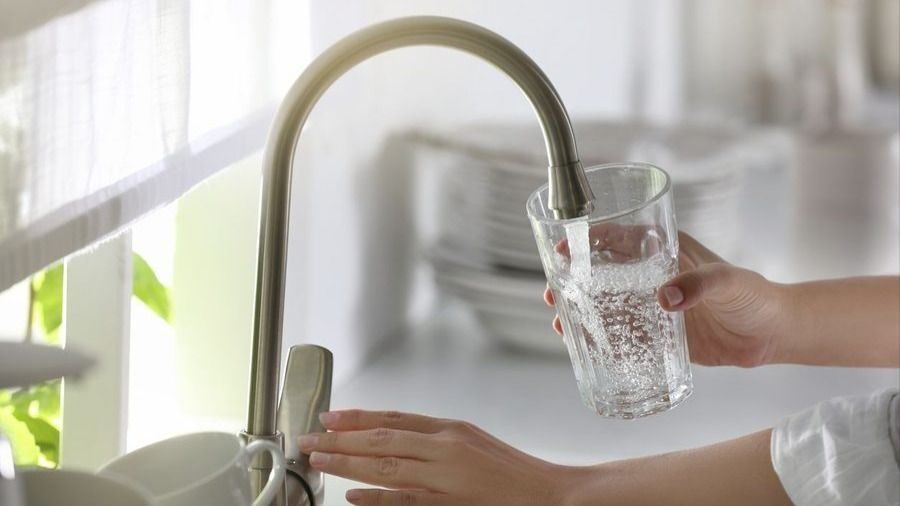
Many homeowners use the terms water softening and water filtration as though they describe the same type of treatment. In reality, they solve different water quality problems.
A water softener is designed primarily to reduce hardness minerals that create scale, soap scum, and buildup inside plumbing fixtures and appliances. A drinking-water filtration system targets specific concerns such as sediment, unpleasant tastes, odors, or selected dissolved substances, depending on the equipment used.
In this guide, we will explain how water softening and drinking-water filtration differ, why some Seguin households may benefit from both, and what to consider before choosing a home water treatment system.
Water Softening and Water Filtration Are Not the Same
Select water treatment based on the problem you want to solve.
A water softener primarily addresses hard water. Hardness is caused by dissolved minerals, especially calcium and magnesium. These minerals are not removed by many standard drinking-water filters.
A filtration system works differently. Depending on the filter, it may reduce:
-
Sediment
-
Chlorine taste or odor
-
Certain dissolved substances
-
Rust particles
-
Organic compounds
-
Other specific water quality concerns
Not every filter removes the same materials. A basic carbon filter, sediment filter, and reverse osmosis system each perform different jobs.
This is why installing only one system may not address every concern in the home.
What Hard Water Can Do Inside Your Home
Hard water can affect almost every fixture and appliance that uses water.
Common signs include:
-
White scale around faucets
-
Spots on dishes and glassware
-
Soap scum in showers
-
Reduced soap and shampoo lather
-
Dry-feeling skin or hair
-
Stiff or dull laundry
-
Mineral deposits inside appliances
-
Frequent fixture cleaning
-
Reduced water heater efficiency
-
Clogged faucet aerators
Hardness minerals can remain behind after water evaporates. Over time, those deposits may accumulate inside pipes, water heaters, showerheads, coffee makers, dishwashers, and washing machines.
A drinking-water filter at the kitchen sink will not protect the water heater, shower valves, laundry equipment, or plumbing throughout the rest of the home.
How a Water Softener Works
Most traditional water softeners use a process called ion exchange.
Water passes through a tank containing resin beads. The resin attracts calcium and magnesium and exchanges them for sodium or potassium ions. The treated water then moves into the plumbing system.
The softener periodically regenerates by flushing the collected hardness minerals away and recharging the resin with salt or potassium.
Because the system treats water before it is distributed throughout the home, it can help reduce scale in:
-
Faucets and showerheads
-
Water heaters
-
Dishwashers
-
Washing machines
-
Supply pipes
-
Toilets
-
Plumbing fixtures
A softener does not make water completely mineral-free. It is designed to reduce the minerals responsible for hardness.
What a Water Softener Does Not Remove
A water softener is not a universal water purifier.
Standard softening does not automatically remove:
-
Sediment
-
Chlorine taste or odor
-
All dissolved solids
-
Bacteria
-
Viruses
-
Pesticides
-
Every metal
-
Every chemical
-
All unpleasant tastes
This does not mean softened water is automatically unsafe for drinking. It means softening and filtration have different purposes.
If a household is concerned about the taste, odor, or composition of drinking water, a separate filtration system may be appropriate.
What Drinking-Water Filtration Can Address
Drinking-water filtration is usually installed at the kitchen sink, refrigerator line, or another point where water is used for beverages and cooking.
Depending on the system, filtration may help improve:
-
Taste
-
Odor
-
Clarity
-
Sediment levels
-
Chlorine-related concerns
-
Selected dissolved contaminants
-
Water used for coffee, tea, and cooking
The type of filter matters. A system should be matched to the substances present in the water and the homeowner’s goals.
A filter that improves taste may not reduce dissolved minerals. A system designed for sediment may not address chlorine. A reverse osmosis unit may reduce a broader range of dissolved substances but requires more maintenance and installation planning.
Why Some Seguin Homes May Benefit From Both Systems
A water softener and drinking-water filter can work together because they treat different parts of the water quality experience.
The softener can reduce hardness throughout the home, while a point-of-use filter treats water used for drinking and cooking.
A combined system may be helpful for households that experience:
-
Heavy scale on fixtures
-
Spotted dishes
-
Frequent water heater buildup
-
Dry-feeling skin
-
Unpleasant drinking-water taste
-
Sediment in glasses
-
Heavy bottled-water use
-
Concerns about specific substances
-
A desire to protect plumbing and improve drinking water
The softener protects the broader plumbing system. The drinking-water filter focuses on water consumed directly.
Signs You May Need a Water Softener
A water softener may be worth considering if you notice:
-
White crust around faucets
-
Cloudy spots on glassware
-
Soap that does not lather well
-
Scale inside kettles or coffee makers
-
Repeated showerhead clogs
-
Stiff laundry
-
Mineral buildup inside the water heater
-
Frequent replacement of fixture cartridges
-
A chalky film on sinks or tubs
These signs suggest the home is dealing with hardness minerals rather than only a taste or odor issue.
A water hardness test can confirm the severity of the problem.
Signs You May Need Drinking-Water Filtration
A drinking-water filter may be useful when:
-
Tap water has an unpleasant taste
-
Water has a noticeable odor
-
Sediment appears in glasses
-
The household buys large amounts of bottled water
-
Cooking water affects food or beverages
-
There is concern about a specific substance
-
Refrigerator filters do not provide enough improvement
-
A dedicated drinking-water faucet is preferred
Do not choose a filter based only on marketing claims. The system should be certified and designed for the concern it is intended to address.
Whole-Home Filtration Versus Point-of-Use Filtration
Whole-home filtration treats water as it enters the house. Point-of-use filtration treats water at one location.
Whole-home filtration may be appropriate when the concern affects:
-
Every faucet
-
Showers and baths
-
Laundry
-
Appliances
-
Plumbing equipment
-
The overall smell or appearance of the water
Point-of-use filtration may make more sense when the primary goal is better water for:
-
Drinking
-
Cooking
-
Coffee and tea
-
Ice
-
Refrigerator dispensers
Whole-home equipment generally requires more space, higher capacity, and greater initial investment. Point-of-use systems provide targeted treatment at a lower volume.
Some homes use whole-home sediment or carbon filtration with a separate under-sink reverse osmosis unit.
Can Reverse Osmosis and a Water Softener Work Together?
A reverse osmosis system and water softener can often be installed as part of the same treatment plan.
The softener removes hardness minerals before water reaches the RO system. This may help reduce scale on the membrane and other components.
The systems still perform separate functions:
-
The softener treats whole-home hardness
-
The RO system treats selected drinking-water concerns
-
The softener uses ion exchange
-
The RO system uses membrane filtration
Installation order and sizing should be professionally planned. The plumber should consider water pressure, drain access, household use, filter capacity, and maintenance needs.
Why Water Testing Should Come Before Installation
Water treatment equipment should be selected based on actual water conditions.
Testing may evaluate:
-
Hardness
-
pH
-
Iron
-
Sediment
-
Chlorine
-
Total dissolved solids
-
Other substances based on the water source
Homes using municipal water and homes using private wells may require different testing and treatment approaches.
Testing can help prevent homeowners from purchasing unnecessary equipment or choosing a system that does not address the real problem.
It can also help determine whether one treatment system is enough or whether both softening and filtration are appropriate.
What to Consider Before Choosing a System
Before installing water treatment equipment, consider:
-
Household size
-
Daily water use
-
Water source
-
Hardness level
-
Drinking-water goals
-
Available plumbing space
-
Water pressure
-
Filter replacement frequency
-
Salt or potassium use
-
Drain requirements
-
Equipment warranty
-
Maintenance costs
-
Installation budget
A system that is too small may restrict flow or require frequent service. Oversized equipment may cost more without providing meaningful additional benefit.
The treatment plan should also account for refrigerators, ice makers, tankless water heaters, and other connected equipment.
Maintenance Requirements for Softening and Filtration
Water treatment equipment must be maintained to continue working correctly.
Water softener maintenance may include:
-
Adding salt or potassium
-
Cleaning the brine tank
-
Inspecting the resin
-
Checking regeneration settings
-
Watching for salt bridging
-
Testing treated water
Filtration maintenance may include:
-
Replacing cartridges
-
Changing carbon filters
-
Servicing the RO membrane
-
Sanitizing storage tanks
-
Checking for leaks
-
Monitoring water pressure
Neglected filters can reduce flow and water quality. An improperly maintained softener may stop reducing hardness or use more salt and water than necessary.
When to Call a Plumbing Professional
Professional evaluation is recommended when:
-
Scale is damaging fixtures or appliances
-
Water taste or odor is unpleasant
-
The correct treatment type is unclear
-
Water pressure drops after filtration
-
Treatment equipment leaks
-
Salt use is unusually high
-
Filter replacements are too frequent
-
A softener and RO system need to be combined
-
The household wants water testing
-
Existing equipment is no longer performing well
A plumber can test the water, inspect the plumbing layout, and recommend equipment based on household needs rather than a one-size-fits-all package.
Build the Right Water Treatment Plan for Your Seguin Home
Water softening and drinking-water filtration solve different problems. A softener can reduce hardness minerals and protect plumbing, fixtures, and appliances. A drinking-water filter can improve the taste, odor, clarity, or composition of water used for beverages and cooking.
Some Seguin households may need only one system. Others may benefit from both.
ME Plumbing can evaluate your water quality, explain your treatment options, and design a system that matches your plumbing and household goals. To learn whether your home needs water softening, drinking-water filtration, or a combination of both, contact us today.
Book Your Service Today
We’re Nuts about your plumbing!
Trust the pros at ME Plumbing for all your plumbing needs. Schedule service and find out for yourself why we’re Seguin’s trusted plumbers.
