
Serving Guadalupe County and Surrounding Areas

When Should You Repipe Your Older Seguin Home’s Plumbing System?

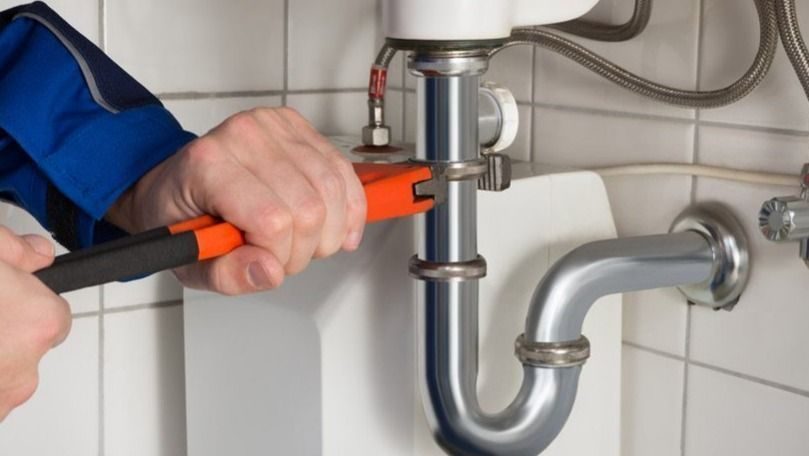
You repair a leak beneath the sink. A few months later, another pipe starts leaking behind a wall. Then the water pressure seems weaker, or you notice discoloration coming from a faucet. At some point, homeowners have to ask whether fixing individual plumbing problems still makes sense.
For owners of older homes in Seguin, that question can matter even more when parts of the plumbing have served the house for decades. Older homes may contain original pipes, previously repaired sections, or plumbing installed over several generations during different renovations.
Age alone does not mean a house needs new pipes. The condition and material of the plumbing, leak frequency, water pressure, water quality, and repair history provide better clues.
In this guide, we’ll explain the warning signs that an older plumbing system may need repiping, when individual repairs can still make sense, and how to decide whether whole-home repiping is the better long-term solution for your Seguin home.
What Does Repiping a House Mean?
Repiping means replacing substantial portions of a home’s existing water supply piping with new plumbing.
A whole-home repipe typically focuses on the pressurized lines that deliver hot and cold water to fixtures such as:
-
Faucets
-
Showers and tubs
-
Toilets
-
Water heaters
-
Washing machines
-
Dishwashers
-
Other water-using fixtures and appliances
Repiping is different from replacing the home’s drain or sewer lines. Those systems carry wastewater away from the house and involve different plumbing components and problems.
A repipe may involve the entire water supply system or a significant portion of it, depending on what an inspection reveals.
What Are the Signs Your Home May Need Repiping?
One plumbing problem does not usually mean you need to repipe your house. A pattern of problems throughout the system is more concerning.
Signs that may justify a repiping evaluation include:
-
Leaks repeatedly developing in different locations
-
Visible pipe corrosion
-
Persistent water discoloration
-
Reduced flow at multiple fixtures
-
Frequent plumbing repairs
-
Problems affecting both hot and cold water lines
-
Evidence of deteriorating pipe material
-
Previous repairs throughout large portions of the system
Pay particular attention to how frequently problems occur.
If the same aging plumbing system requires repairs several times in a relatively short period, replacing deteriorated piping may eventually make more sense than continuing to address each failure individually.
How Does the Age of Your Seguin Home Affect Its Plumbing?
Older homes can have complicated plumbing histories.
A Seguin home may still contain some original piping while also having newer plumbing installed during kitchen renovations, bathroom additions, water heater replacements, or previous repairs.
That can result in a mixture of:
-
Original supply piping
-
Newer replacement sections
-
Different pipe materials
-
Older fittings and connections
-
Plumbing added during renovations
-
Previous repairs of varying ages
This is why a home’s construction date cannot tell you exactly when it needs repiping.
Two houses built during the same decade may have completely different plumbing systems today. One may have already undergone extensive updates, while the other may still rely heavily on original materials.
An inspection can confirm what is actually installed before you make decisions based on the house’s age.
Which Older Plumbing Materials May Need Closer Attention?
Different pipe materials have different characteristics, and some materials commonly found in older homes deserve closer evaluation as they age.
Galvanized steel is one example. Older galvanized piping can corrode internally over time, potentially contributing to restricted flow, discoloration, or leaks.
Other plumbing materials can develop their own problems depending on age, installation quality, water conditions, and previous repairs.
Instead of assuming you have a particular pipe material, look for information such as:
-
Visible piping in accessible areas
-
Records from previous plumbing work
-
Inspection reports
-
Documentation from renovations
-
Professional identification of concealed piping
Knowing what your plumbing is made from can provide important context when comparing another repair with a larger repiping project.
Do Recurring Plumbing Leaks Mean You Need to Repipe?
Recurring leaks can be one of the strongest reasons to evaluate your plumbing’s overall condition, especially when they develop in different areas.
An isolated failure differs from a system-wide pattern. One damaged connection beneath a sink may simply need repair. If pipes repeatedly begin leaking in walls, ceilings, bathrooms, and other locations, the underlying piping may be deteriorating more broadly.
Ask yourself:
-
How many leaks have occurred recently?
-
Are they happening in different locations?
-
Are the same types of pipes failing?
-
How much have repeated repairs cost?
-
Is visible corrosion present elsewhere?
-
Have plumbers identified deterioration during previous service?
Don’t recommend repiping just because a home has had one leak. It becomes more relevant when repeated failures indicate a larger plumbing problem.
Can Old Pipes Cause Low Water Pressure?
Older pipes can reduce water flow, but they are not the only possible cause.
Certain piping can develop internal corrosion or mineral buildup that reduces the opening available for water to flow through. A pipe may look reasonably sized from the outside while its interior becomes increasingly restricted.
This can result in weaker flow at fixtures.
However, low pressure or flow can also result from:
-
Clogged faucet aerators
-
Fixture problems
-
Partially closed valves
-
Pressure regulator issues
-
Plumbing leaks
-
Problems with the water supply
-
Other restrictions within the system
If multiple fixtures have gradually developed weaker flow, it’s worth evaluating the condition of the supply piping.
Replacing pipes only helps when the old piping is actually contributing to the restriction.
Is Discolored Water a Sign You Need Repiping?
Discolored water can indicate corrosion in older plumbing, but it doesn’t automatically mean the entire house needs new pipes.
The pattern provides useful clues.
If discoloration appears only from hot-water faucets, the water heater may deserve attention. If both hot and cold water are affected throughout the house, the source could be elsewhere.
Temporary discoloration can also occur because of:
-
Utility work
-
Water-main disturbances
-
Sediment
-
Water heater conditions
-
Plumbing repairs
-
Corrosion within household piping
Persistent rusty or brown water, along with deteriorating metal supply pipes, may support the case for repiping.
Rather than diagnosing the plumbing based solely on water color, have the source identified first.
Should You Keep Repairing Old Pipes or Repipe the House?
The decision comes down to whether you are dealing with an isolated problem or a deteriorating system.
Another repair may make sense when:
-
The problem is limited to one location.
-
Most of the plumbing is in good condition.
-
Leaks are uncommon.
-
The repair is straightforward.
-
No evidence of widespread deterioration exists.
-
Water flow remains reliable throughout the home.
Repiping may be worth considering when:
-
Leaks repeatedly occur in different areas.
-
Significant corrosion is present.
-
Older piping has become internally restricted.
-
Repairs are becoming increasingly frequent.
-
Large portions of the plumbing show deterioration.
-
The existing pipe material has become a recurring concern.
-
You are spending more money maintaining an unreliable system.
Cost matters, but look beyond the next repair.
If you repair one failing section while several similar sections are approaching the same condition, repeatedly opening walls and paying for individual repairs may become less practical than addressing the larger system.
What Happens During a Whole-Home Repipe?
Repiping begins with evaluating the existing plumbing and planning how to route new supply lines through the home.
The process generally involves several stages:
-
Inspecting the existing plumbing: The plumber identifies accessible pipe materials, problem areas, and the overall system layout.
-
Planning the new piping: The plumber selects routes to connect fixtures while limiting unnecessary disruption where possible.
-
Creating access points: Open portions of walls or ceilings to reach plumbing routes.
-
Installing new supply lines: Run new hot and cold water piping to the appropriate fixtures.
-
Connecting and testing the system: The new plumbing is checked for proper operation and leaks.
-
Addressing access areas: Openings created for plumbing access can then be prepared for appropriate repair and finishing.
The exact process depends on the home’s size, layout, construction, and scope of work.
A plumber can explain what access will be necessary before the project begins.
What Are the Benefits of Repiping an Older Home?
When existing pipes are genuinely deteriorated, repiping can address problems that individual repairs cannot.
Potential benefits include:
-
Replacing deteriorated supply piping
-
Reducing recurring pipe failures
-
Improving flow when old pipes are causing restrictions
-
Eliminating problematic sections of aging plumbing
-
Creating a more consistent plumbing system
-
Reducing the need to repeatedly access walls for pipe repairs
-
Better supporting future plumbing renovations
Repiping is not a universal solution for every pressure, water-quality, or plumbing problem.
The benefits depend on whether the existing pipes are actually causing the symptoms in the home.
Should You Repipe Before Remodeling an Older Seguin Home?
A major remodel is a great time to evaluate older plumbing.
Kitchen and bathroom renovations often involve opening walls, moving fixtures, or replacing finishes. If aging supply pipes are concealed behind those surfaces, evaluating them before installing new cabinets, tile, drywall, or other finishes can prevent difficult decisions later.
Before remodeling, consider asking:
-
What type of supply piping is installed?
-
Has the home experienced recurring leaks?
-
Are older pipes located behind areas being renovated?
-
Has water flow declined?
-
Would plumbing upgrades be easier while walls are already accessible?
This does not mean every renovation requires repiping.
It means homeowners should consider the condition of concealed plumbing before spending heavily on finishes that could eventually need to be disturbed for pipe repairs.
How Long Does a Whole-Home Repipe Take?
No single timeline applies to every house. The duration can depend on:
-
Home size and layout
-
Number of plumbing fixtures
-
Accessibility of existing pipes
-
New pipe routing
-
Construction type
-
Scope of replacement
-
Permitting and inspection requirements
-
Complexity discovered during the project
A straightforward project in an accessible home may look very different from repiping a larger property with difficult plumbing routes.
Before work begins, ask the plumber what parts of the house will require access, how they’ll manage water availability during the project, and what steps follow the plumbing installation.
Clear expectations can make a significant home plumbing project much easier to plan around.
Get Your Older Plumbing Evaluated by ME Plumbing
An older Seguin home does not need repiping simply because of its age. What matters is what the plumbing is telling you.
One isolated leak may need nothing more than a repair. Multiple leaks in different locations, recurring corrosion, declining water flow, persistent discoloration, and an increasingly expensive repair history can point toward a larger problem with the supply piping.
ME Plumbing can evaluate your home’s existing pipes, identify areas of concern, and help you determine whether another repair or whole-home repiping makes more sense. If your older Seguin home’s plumbing is becoming less reliable, contact us today to schedule professional plumbing service and discuss your repiping options.
Book Your Service Today
We’re Nuts about your plumbing!
Trust the pros at ME Plumbing for all your plumbing needs. Schedule service and find out for yourself why we’re Seguin’s trusted plumbers.
