
Serving Guadalupe County and Surrounding Areas

Top 10 Things Homeowners Should Know About Their Plumbing System

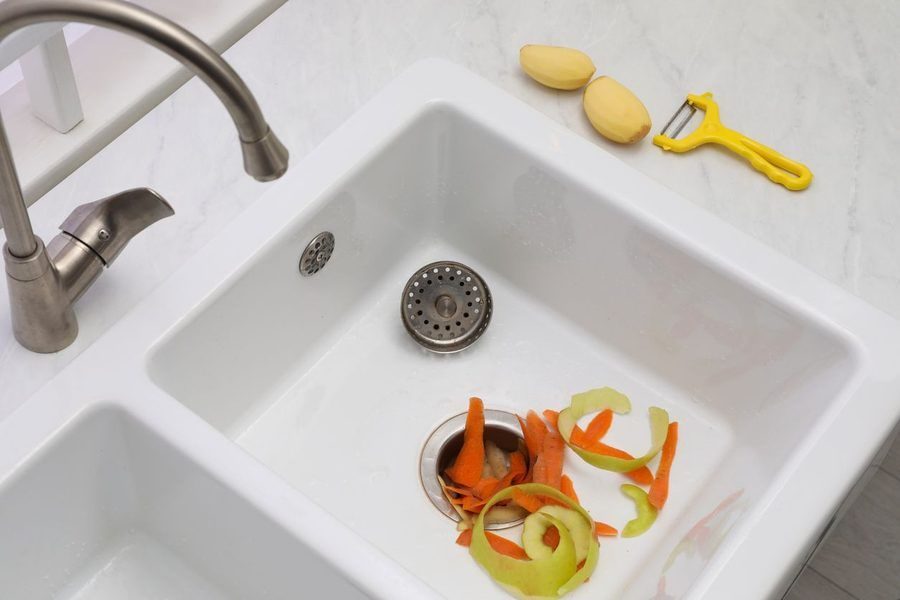
Your home’s plumbing system works behind the scenes every day, delivering clean water, removing wastewater, and keeping your household running smoothly. But many homeowners don’t think about their plumbing until something goes wrong.
The good news? Many common plumbing problems are preventable with a little knowledge and routine maintenance.
At ME Plumbing, we’ve helped homeowners throughout Seguin, San Marcos, New Braunfels, and surrounding Central Texas communities keep their plumbing systems in working order since 2005. From clogged drains and hidden leaks to water heater problems and sewer line repairs, we understand how everyday habits can affect the health of your plumbing.
Here are 10 essential plumbing tips every homeowner should know to help prevent unexpected repairs, protect their property, and keep water flowing where it belongs.
1. “Flushable” Wipes Aren’t Actually Safe for Your Plumbing
One of the most common plumbing misconceptions is that wipes labeled “flushable” are safe to send down the toilet.
Unfortunately, that’s not necessarily true.
Unlike toilet paper, which is designed to break apart quickly in water, many disposable wipes remain intact much longer. Even if they clear your toilet, they can accumulate farther down the plumbing system, catching grease, debris, and other materials.
Over time, that buildup can create stubborn blockages, sewer backups, and expensive repairs.
What homeowners should do:
-
Never flush baby wipes, cleaning wipes, or personal hygiene wipes, even if they’re labeled flushable.
-
Keep a small trash can in every bathroom.
-
Remind everyone in the household that toilets aren’t designed for disposing of household products.
ME Plumbing’s recommendation: Aside from human waste, toilet paper is the only material that should routinely be flushed down your toilet.
2. Never Pour Grease or Cooking Oil Down the Drain
Pouring leftover bacon grease or cooking oil into the kitchen sink might seem harmless, especially while it’s still warm and liquid.
But as grease cools, it can thicken and cling to the inside of your drainpipes.
Over time, grease buildup catches food particles, soap residue, and other debris, gradually restricting water flow. Eventually, you may notice a slow-draining sink, unpleasant odors, or a complete blockage.
Running hot water afterward doesn’t eliminate the problem. It may temporarily move grease farther down the drain, where it can cool and accumulate.
How to prevent grease-related clogs:
-
Let cooking grease cool before placing it in a disposable container and throwing it in the trash.
-
Wipe greasy pots and pans with a paper towel before washing.
-
Avoid sending cooking oils, butter, and fatty food scraps down the sink.
-
Use a sink strainer to catch food debris.
If your kitchen sink drains slowly or develops recurring clogs, professional drain cleaning services can help remove buildup and restore proper drainage.
3. Know Where Your Main Water Shutoff Valve Is Before an Emergency
If a pipe suddenly bursts or a supply line breaks, do you know how to shut off the water to your home?
Every homeowner should know the location of their main water shutoff valve and how to operate it.
A broken pipe or leaking connection can release a significant amount of water in a short period. Knowing how to stop the flow can help prevent extensive damage to flooring, drywall, cabinets, and personal belongings.
In Texas homes, main shutoff valves may be located near the water meter, along an exterior wall, in a garage, or where the main water line enters the house.
What homeowners should do:
-
Locate your home’s main water shutoff valve.
-
Learn how to turn it off safely.
-
Make sure other household members know its location.
-
Check that the valve is accessible and not obstructed.
-
Have a plumber inspect it if it’s corroded, leaking, or difficult to turn.
Most lever-style ball valves close with a quarter turn, while round-handled valves typically close by turning clockwise. Never force a stuck valve, as this could cause it to break.
For more detailed instructions, read our Texas Homeowner’s Guide to Emergency Main Shut-off Valves.
Expert tip: Don’t wait until water is flooding your home to find out whether your shutoff valve works.
4. A Small Plumbing Leak Can Turn Into a Major Problem
A dripping faucet or constantly running toilet might not seem like an urgent concern, but even minor leaks deserve attention.
Small leaks can waste substantial amounts of water over time. When they occur beneath sinks, behind walls, or under flooring, they can also cause hidden moisture damage.
Left unaddressed, plumbing leaks may contribute to damaged cabinetry, deteriorating flooring, mold growth, and more extensive repairs.
Some leaks are easy to identify, while others remain hidden until the damage becomes noticeable.
Common warning signs of a plumbing leak include:
-
An unexpected increase in your water bill
-
A toilet that continues running after flushing
-
Water stains on ceilings or walls
-
Damp or warped flooring
-
Musty odors beneath sinks or inside cabinets
-
The sound of running water when fixtures are turned off
A simple habit is to periodically look beneath your sinks, around toilets, behind accessible appliances, and near your water heater for moisture or corrosion.
If you suspect a hidden leak, ME Plumbing’s leak detection and repair services can help identify the source and determine the appropriate repair.
Remember: Fixing a small leak early is generally easier and less expensive than repairing significant water damage later.
5. Your Water Heater Needs Regular Maintenance, Too
Your water heater is one of the hardest-working appliances in your home, yet it’s often overlooked until the hot water stops working.
Over time, minerals and sediment can accumulate inside traditional tank water heaters. This is particularly relevant in Central Texas communities where hard water can contribute to mineral buildup.
Excess sediment may affect heating performance, contribute to unusual noises, and place additional stress on the system.
Routine water heater maintenance helps identify developing problems and may improve efficiency, reduce wear, and extend equipment life.
Signs your water heater may need attention include:
-
Popping, rumbling, or banging noises
-
Inconsistent water temperatures
-
Reduced hot water availability
-
Leaking connections or moisture around the unit
-
Rust or visible corrosion
Maintenance requirements vary by water heater type, manufacturer, and local water conditions. A professional can recommend an appropriate schedule and determine whether tank flushing, component inspection, or other service is needed.
ME Plumbing provides water heater maintenance, repair, and installation for traditional and tankless systems.
Expert tip: If your water heater is getting older, don’t wait for a complete breakdown to have its condition evaluated.
6. Chemical Drain Cleaners Can Do More Harm Than Good
When a sink or shower starts draining slowly, it’s tempting to grab a bottle of chemical drain cleaner.
Although some products may temporarily clear certain clogs, repeated use of harsh drain chemicals can damage plumbing components and create additional problems.
Depending on the product and pipe material, these chemicals may contribute to corrosion or deterioration. They can also create safety hazards for homeowners and plumbers working on the drain.
More importantly, a chemical drain cleaner won’t necessarily address the underlying reason a drain keeps clogging.
Recurring blockages may result from grease accumulation, hair, mineral deposits, tree roots, or damaged pipes.
Safer plumbing habits include:
-
Use drain strainers to catch hair and food debris.
-
Remove accessible debris from drain openings.
-
Avoid repeatedly pouring chemical cleaners into the same drain.
-
Schedule a professional inspection when clogs keep returning.
Never mix different drain-cleaning chemicals, and tell your plumber if you’ve already used a chemical product.
ME Plumbing’s recommendation: If a drain repeatedly clogs, focus on identifying the cause rather than relying on temporary fixes. Professional drain cleaning or a camera inspection may be necessary.
7. Your Garbage Disposal Is Not a Trash Can
Garbage disposals make kitchen cleanup more convenient, but they’re not designed to handle every type of food waste.
Putting the wrong materials down your disposal can damage its components or contribute to clogs in the connected drainpipes.
Even when food is successfully ground up, the resulting particles can still accumulate farther down the plumbing system.
Avoid putting these items into your garbage disposal:
-
Grease, fats, and cooking oils
-
Bones and other hard materials
-
Coffee grounds
-
Eggshells
-
Fibrous vegetables, such as celery and corn husks
-
Large quantities of food scraps
-
Expandable foods, such as rice and pasta
The safest habit is to scrape plates into the trash or compost before rinsing them in the sink.
When using your disposal, follow the manufacturer’s operating instructions and avoid overloading it.
If the disposal repeatedly jams, leaks, or stops working, professional plumbing repair services can help determine whether the disposal or connected drain needs attention.
Expert tip: A garbage disposal grinds food waste; it doesn’t make food disappear from your plumbing system.
8. Slow Drains and Gurgling Toilets Can Signal Sewer Line Problems
A single slow-draining sink may indicate a localized clog.
However, when several plumbing fixtures begin draining slowly at the same time, the issue may be farther down your home’s drainage system.
Your main sewer line carries wastewater from your household plumbing to the municipal sewer system or private wastewater system. When this line becomes blocked or damaged, multiple fixtures can be affected.
Warning signs of a potential sewer line problem include:
-
Multiple sinks, tubs, or showers draining slowly
-
Toilets making bubbling or gurgling sounds
-
Wastewater backing up into a shower or bathtub
-
Persistent sewer odors
-
Recurring drain clogs throughout the home
-
Unexpected wet or foul-smelling areas in the yard
These symptoms can result from debris buildup, tree root intrusion, damaged piping, or other restrictions in the drainage system.
Not every slow drain indicates a sewer line failure, but multiple affected fixtures should be investigated promptly.
ME Plumbing provides residential sewer line inspection, repair, and replacement, including camera inspections to help locate blockages and identify pipe damage.
Important: If sewage is backing up into your home, avoid using additional plumbing fixtures and contact a professional immediately.
9. High Water Pressure Can Damage Your Plumbing System
Strong water pressure might make your shower feel great, but more pressure isn’t always better for your plumbing.
Excessive water pressure creates additional stress on pipes, valves, connections, fixtures, and household appliances.
Over time, that stress can contribute to leaks, premature component wear, and plumbing failures.
High pressure can affect:
-
Faucets and shower fixtures
-
Toilet fill valves
-
Washing machine and dishwasher supply lines
-
Pipe joints and connections
-
Water heaters
-
Other water-connected appliances
Many residential plumbing codes use 80 pounds per square inch (psi) as an upper threshold for static water pressure, although specific requirements depend on the applicable local code.
Signs your water pressure may be too high include:
-
Water flowing unusually forcefully from faucets
-
Banging or knocking noises when valves close
-
Frequent leaks at plumbing connections
-
Repeated failures of supply lines or fixture components
A plumber can measure your home’s water pressure and determine whether adjustments or a pressure-reducing valve are appropriate.
If you’ve experienced recurring pipe leaks or pressure-related problems, ME Plumbing can evaluate your system and recommend appropriate pipe repairs or replacements.
Expert tip: Properly regulated water pressure helps protect the plumbing components throughout your home.
10. Preventive Plumbing Maintenance Is Usually Cheaper Than Emergency Repairs
One of the most important things homeowners should understand is that plumbing problems rarely become less expensive when ignored.
A deteriorating supply line, aging water heater, or recurring drain clog may seem manageable today, but it can eventually lead to a much larger problem.
Preventive plumbing maintenance helps identify these concerns before they result in unexpected breakdowns, water damage, or major repairs.
Plumbing components worth monitoring include:
-
Water heaters: Check for leaks, corrosion, unusual noises, and declining performance.
-
Shutoff valves: Make sure valves are accessible, functional, and free from visible leaks.
-
Supply lines: Inspect accessible connections to toilets, sinks, and appliances for damage or deterioration.
-
Drains and sewer lines: Address recurring clogs, slow drainage, or unusual noises.
-
Faucets and toilets: Repair persistent dripping, running water, and worn components.
-
Pipes and fittings: Watch for corrosion, moisture, and signs of repeated leaks.
You don’t need to be a plumbing expert to notice that something isn’t right. Regular visual checks and attention to changes in your plumbing system can help you recognize when professional service is needed.
ME Plumbing also offers an MEP’s VIP Membership Plan that includes preventive maintenance benefits, annual assessments, and priority scheduling to help homeowners stay ahead of potential plumbing problems.
Our recommendation: Address questionable plumbing before it becomes an emergency. Preventive care is generally more affordable and less disruptive than dealing with an unexpected system failure.
Trust ME Plumbing for Your Home’s Plumbing Needs
Since 2005, ME Plumbing has helped homeowners throughout Seguin, San Marcos, New Braunfels, and surrounding Central Texas communities keep their plumbing systems running smoothly. From routine maintenance and leak detection to drain cleaning, water heater repairs, and emergency plumbing services, our experienced team provides dependable solutions to protect your home and prevent costly plumbing problems.
Need professional plumbing help? Contact ME Plumbing today to schedule service. We’re here to help keep your plumbing in top condition!

Book Your Service Today
We’re Nuts about your plumbing!
Trust the pros at ME Plumbing for all your plumbing needs. Schedule service and find out for yourself why we’re Seguin’s trusted plumbers.
