
Serving Guadalupe County and Surrounding Areas

Why Your Seguin Drains Keep Clogging: When DIY Isn’t Enough for Stubborn Blockages

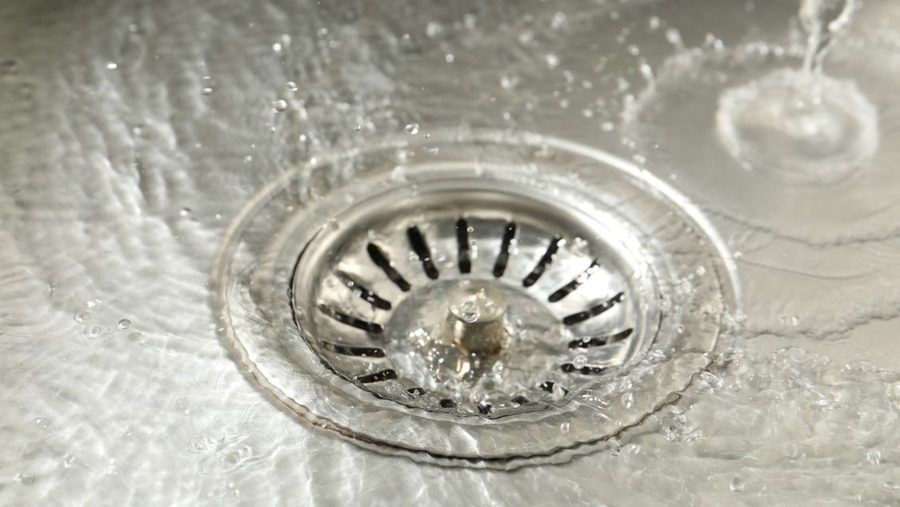
Few household plumbing problems are more frustrating than a drain that keeps clogging. Whether it’s a kitchen sink that drains slowly, a shower that collects standing water, or a bathroom sink that repeatedly backs up, recurring blockages can disrupt your daily routine and make simple household tasks difficult.
For homeowners in Seguin, TX, stubborn drain clogs may indicate more than an accumulation of hair or food debris. While plungers and other DIY methods can sometimes restore drainage temporarily, repeated problems may point to buildup deeper inside the plumbing system or an underlying pipe issue.
In this guide, we’ll explain why drains keep clogging, when DIY drain cleaning isn’t enough, and how professional drain cleaning in Seguin, TX, can help identify and resolve persistent blockages.
What Causes Recurring Drain Clogs in Seguin Homes?
Most drain clogs develop gradually as everyday materials accumulate inside plumbing pipes. Over time, these deposits restrict water flow and create surfaces where additional debris can collect.
The source of a blockage depends on the affected fixture. Kitchen sinks commonly develop grease-related buildup, while bathroom drains are more likely to collect hair, soap residue, and personal care products.
Common causes of recurring drain clogs include:
-
Grease and cooking oils: Fats can cool and build up on pipe walls, trapping food particles.
-
Hair and soap residue: These materials can combine into stubborn obstructions in bathroom drains.
-
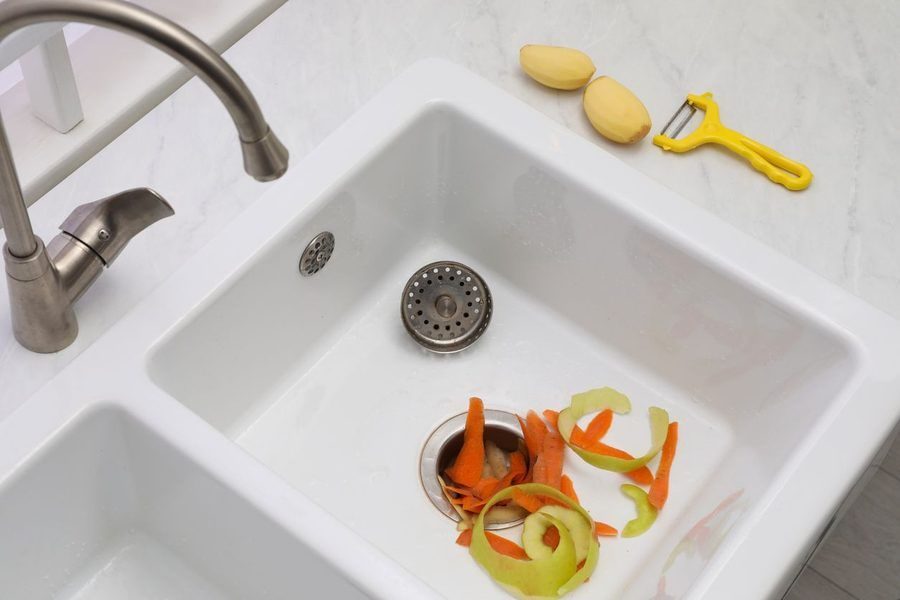
Food debris: Scraps entering kitchen drains can contribute to blockages, even with a garbage disposal.
-
Foreign objects: Wipes, hygiene products, and other items can become lodged inside drain lines.
-
Mineral deposits: Scale accumulation may gradually restrict drainage in some plumbing systems.
-
Pipe damage: Misaligned, deteriorating, or damaged pipes can repeatedly catch debris.
A drain that clogs once may simply need basic cleaning. However, recurring blockages often indicate debris remains in the pipe or another condition is interfering with normal drainage.
Why DIY Drain Cleaning Often Provides Only Temporary Relief
When a drain clogs, many homeowners reach for a plunger, household drain snake, or chemical cleaner. These methods may relieve minor obstructions, but they don’t always address the underlying problem.
A plunger can help dislodge certain blockages near a fixture. However, it may not effectively remove buildup located farther down the drainage system.
Small household drain snakes can sometimes break through hair or other debris, allowing water to flow again. Unfortunately, creating an opening through a blockage isn’t the same as removing all the accumulated material.
Chemical drain cleaners present additional concerns. Depending on the product and plumbing conditions, harsh chemicals can create safety hazards, damage certain plumbing components, and complicate subsequent professional repairs.
If you attempt basic drain cleaning, avoid mixing chemical products or using excessive force with plumbing tools. When a clog keeps returning, a professional diagnosis is usually more useful than repeating the same temporary treatment.
Signs Your Drain Problem Is More Than a Simple Clog
Not every slow drain indicates a serious plumbing problem. However, certain symptoms suggest a blockage may extend beyond a single sink, shower, or bathtub.
One key warning sign is when multiple fixtures start draining slowly at the same time. This may indicate a restriction in a shared drain line or the home’s main sewer connection.
Watch for these signs of a more significant drainage problem:
-
Multiple slow drains: Several fixtures drain slowly at the same time.
-
Recurring backups: Water drains normally after cleaning but backs up again soon.
-
Gurgling sounds: Air movement through restricted drainage lines may produce unusual noises.
-
Persistent sewer odors: Unpleasant smells may indicate trapped waste, drainage problems, or other plumbing concerns.
-
Water backing up into other fixtures: Using one fixture causes wastewater to appear in another.
-
Frequent toilet clogs: Repeated toilet backups may indicate a deeper obstruction.
Wastewater backing up into tubs, showers, or floor drains deserves prompt professional attention. Avoid using affected plumbing fixtures until a professional evaluates the problem, since additional water use could worsen the backup.
Could Tree Roots or Sewer Line Problems Be Causing Your Clogs?
Sometimes the source of recurring drain clogs isn’t inside the home. Underground sewer lines can develop obstructions or structural problems that affect multiple plumbing fixtures.
Tree roots are one potential cause, particularly when underground pipes have cracks, loose joints, or other openings. Roots can enter these openings in search of moisture and gradually create restrictions that trap additional debris.
Other sewer line problems may include:
-
Cracked or deteriorating pipes: Damaged sections can allow soil intrusion or create areas where waste accumulates.
-
Misaligned pipe joints: Shifting or separated connections may interrupt normal wastewater flow.
-
Pipe bellies: Low sections of piping can collect water and debris instead of draining properly.
-
Foreign material: Wipes, grease, and other waste can accumulate farther down the sewer line.
Seguin homes vary in age, plumbing materials, and underground conditions. Properties with mature trees or older sewer connections may face different risks than homes with newer plumbing systems.
Because these problems occur underground, homeowners usually cannot determine their exact location through ordinary DIY methods. A professional inspection can distinguish between a removable blockage and a pipe condition that requires repair.
How Professional Drain Cleaning Removes Stubborn Blockages
Professional drain cleaning focuses on identifying the blockage’s location and nature before choosing the right removal method. This approach can provide a more complete solution than repeatedly clearing a small opening through accumulated debris.
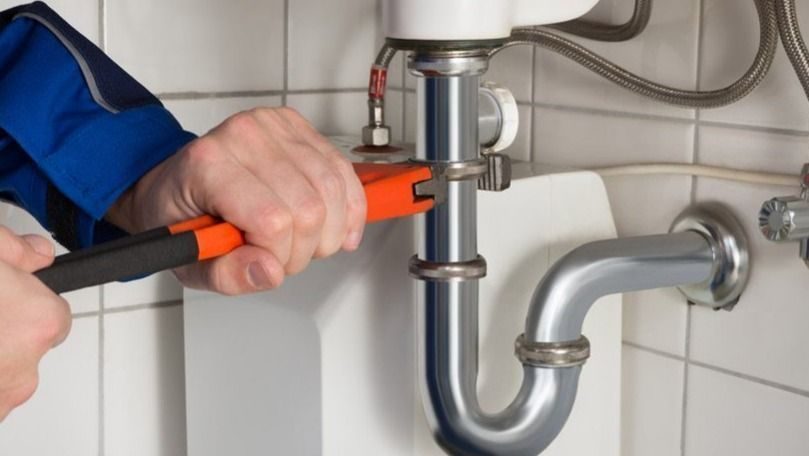
Plumbers commonly use professional-grade drain augers and mechanical cleaning equipment to reach obstructions that basic household tools can’t handle. Depending on the situation, these tools can break apart or retrieve material restricting wastewater flow.
The appropriate cleaning method depends on several factors, including pipe diameter, material, condition, and the type of obstruction. A clog caused by hair near a bathroom fixture may require a different approach than grease buildup inside a kitchen drain line.
Professional service also provides an opportunity to investigate why the problem keeps returning. If a drain repeatedly clogs despite cleaning, the plumber may recommend further evaluation to identify damage, persistent buildup, or another underlying issue.
For Seguin homeowners with stubborn blockages, professional drain cleaning can restore proper drainage and reduce uncertainty about recurring plumbing problems.
When Are Hydro Jetting and Drain Camera Inspections Necessary?
Some drainage problems require more detailed evaluation or specialized cleaning equipment. Plumbers may recommend two options: video camera inspections and hydro jetting.
A drain camera inspection uses specialized equipment to view the interior of accessible drainage or sewer piping. This can help locate obstructions, identify damaged sections, and determine whether recurring clogs result from structural problems.
Camera inspections may be particularly useful when multiple fixtures are affected or blockages repeatedly return after cleaning. They can also help determine whether additional cleaning or pipe repairs are necessary.
Hydro jetting uses high-pressure water to remove certain types of buildup from inside plumbing pipes. When appropriate, this method can clear grease, sludge, and other buildup along pipe walls.
However, hydro jetting isn’t suitable for every plumbing system. Older, deteriorated, or damaged pipes may require additional evaluation before you consider high-pressure cleaning.
Not every clogged drain needs a camera inspection or hydro jetting service. A qualified plumber can recommend the right approach based on the symptoms, pipe condition, and initial evaluation results.
How to Prevent Recurring Drain Clogs in Your Seguin Home
While some drain problems result from damaged pipes or other conditions beyond a homeowner’s control, many everyday blockages are preventable. Better disposal and maintenance habits can reduce the debris entering your plumbing system.
Kitchen and bathroom drains benefit from different preventative measures. The most important step is keeping buildup-causing materials out of the pipes whenever possible.
Consider these practical drain maintenance tips:
-
Keep grease out of kitchen drains: Allow cooking fats and oils to cool before disposing of them in the trash.
-
Use drain strainers: Catch hair, food particles, and other debris before they enter plumbing pipes.
-
Avoid flushing wipes: Even products labeled flushable can contribute to sewer blockages.
-
Limit garbage disposal waste: Don’t put grease, fibrous materials, or large amounts of food scraps down the disposal.
-
Address slow drainage early: Investigate persistent drainage changes before a complete blockage develops.
-
Schedule professional service when needed: Repeated clogs may require cleaning or inspection beyond basic homeowner maintenance.
Avoid relying on chemical drain cleaners as a routine preventative measure. Proper disposal habits and appropriate mechanical cleaning are generally better long-term approaches.
If a drain continues clogging despite these precautions, the issue may involve existing buildup or a structural plumbing problem. Professional evaluation can help identify the cause before additional backups occur.
Get Professional Drain Cleaning in Seguin With ME Plumbing
Recurring drain clogs can be more than a minor inconvenience, particularly when they affect multiple fixtures or repeatedly interrupt household activities. Knowing the difference between a simple blockage and a deeper plumbing problem helps you choose the right solution.
While basic DIY methods may resolve minor clogs, stubborn blockages often require professional equipment and a closer look at the drainage system. Identifying the underlying cause is essential to reduce repeat backups and protect your plumbing.
At ME Plumbing, we understand how frustrating persistent drainage problems can be for Seguin homeowners. Our team can evaluate clogged drains, identify potential plumbing concerns, and recommend the right cleaning or repair solutions for your home.
Whether you’re dealing with a slow-draining sink, recurring shower clogs, or signs of a possible sewer line blockage, professional service can help restore dependable drainage. Contact ME Plumbing today to schedule drain cleaning in Seguin, TX, and get help with stubborn blockages before they become bigger plumbing problems.

Book Your Service Today
We’re Nuts about your plumbing!
Trust the pros at ME Plumbing for all your plumbing needs. Schedule service and find out for yourself why we’re Seguin’s trusted plumbers.
